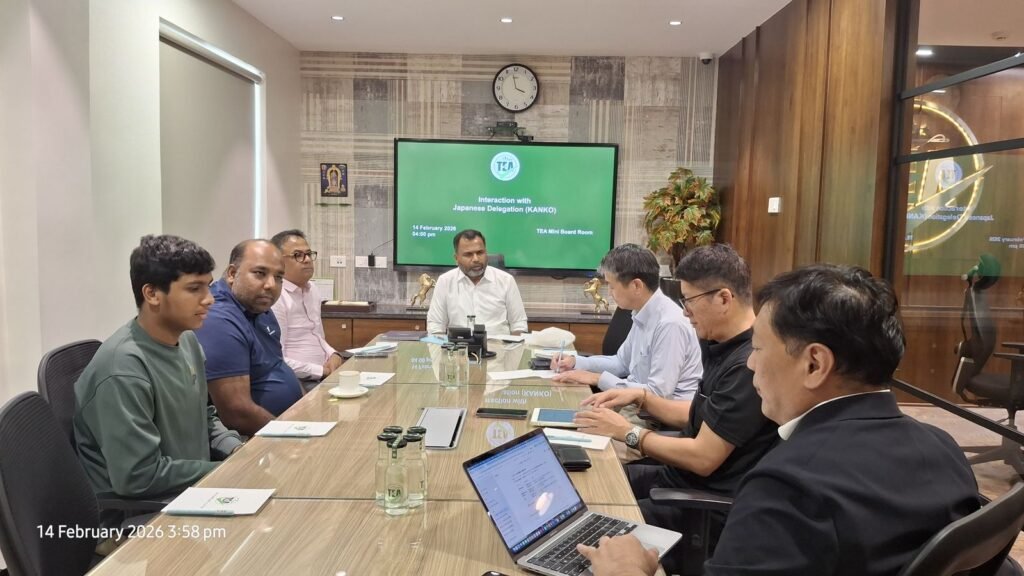

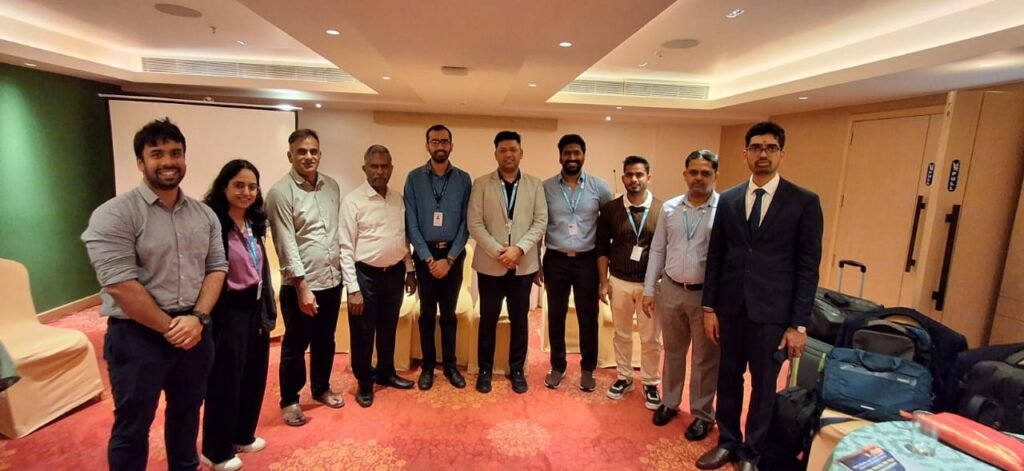
Tiruppur, one of India’s most important apparel manufacturing and export hubs, recently hosted an industry interaction aimed at strengthening quality systems and enhancing global competitiveness in the textile and apparel sector. The meeting, organised on 27 January 2026 at Hotel Fortune Park, Tiruppur, brought together officials from the Department for Promotion of Industry and Internal Trade (DPIIT) and the Quality Council of India (QCI), under the Ministry of Commerce and Industry, in coordination with the Tiruppur Exporters and Manufacturers Association (TEEMA).
The interaction provided a platform for direct dialogue between policymakers, quality institutions, and industry stakeholders, focusing on practical challenges faced by manufacturers, particularly MSMEs, in meeting evolving global quality expectations. Senior officials from QCI Delhi, including Dr Ram Prasadh, Joint Director, and Dr Prasoon Mishra, Deputy Director, led discussions alongside representatives from Tiruppur’s export-oriented manufacturing community.
A key focus of the meeting was the need to improve consistency in shop-floor quality across the apparel value chain. Participants highlighted that while Indian manufacturers have made significant progress in meeting international standards, variability at the process level continues to pose challenges, especially for small and medium units operating under cost and capacity constraints. Streamlining standards, certification processes, and testing frameworks emerged as a critical priority to reduce duplication, simplify compliance, and lower the operational burden on MSMEs.

Industry members also raised concerns about procedural bottlenecks that increase turnaround time and compliance costs, particularly in relation to audits, documentation, and multiple certification requirements. Officials from DPIIT and QCI acknowledged these challenges and emphasised the importance of creating more efficient, industry-friendly quality frameworks that balance regulatory rigour with ease of implementation.
Another important theme of the interaction was workforce capability and skill development. The discussions underscored the urgent need to bridge skill gaps at the shop-floor level, enhance training frameworks, and align production practices with global benchmarks. Participants agreed that improving quality outcomes is closely linked to strengthening human capital and that sustained competitiveness will require continuous investment in skill upgradation and capability building.
The interaction reflected a collaborative and solution-oriented approach, with policymakers and quality institutions expressing their commitment to work closely with industry associations such as TEEMA to address ground-level challenges. By fostering greater alignment between policy intent, quality systems, and manufacturing realities, the DPIIT–QCI engagement aimed to reinforce India’s position as a reliable, quality-driven sourcing destination in the global apparel value chain.
For Tiruppur, the dialogue reaffirmed the importance of quality as a strategic differentiator in an increasingly competitive global market, where consistency, compliance, and credibility are as critical as cost and capacity.