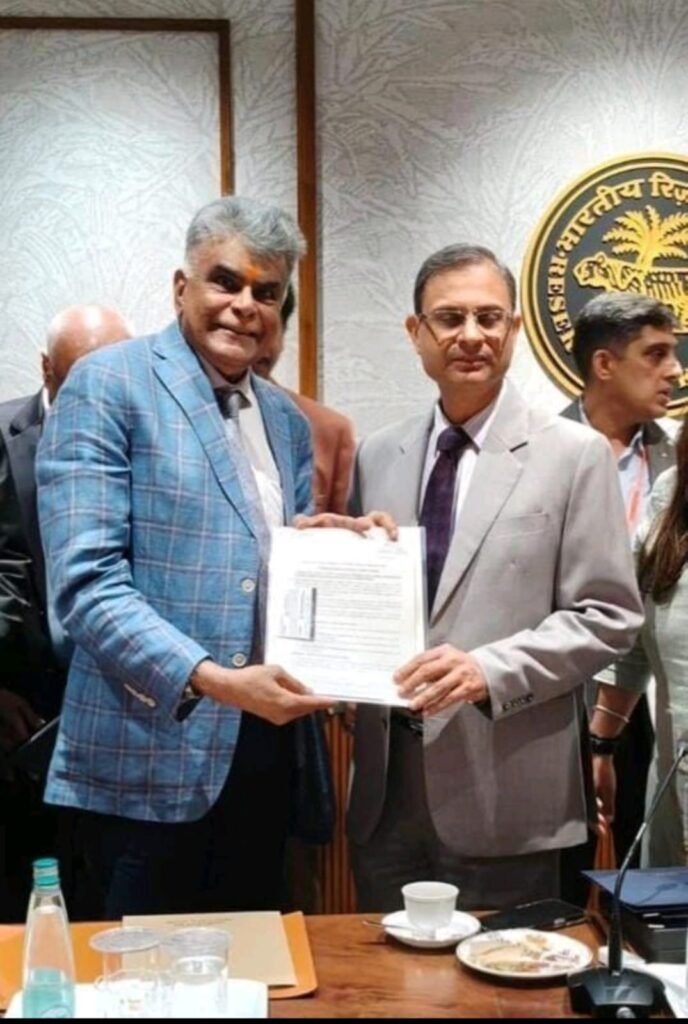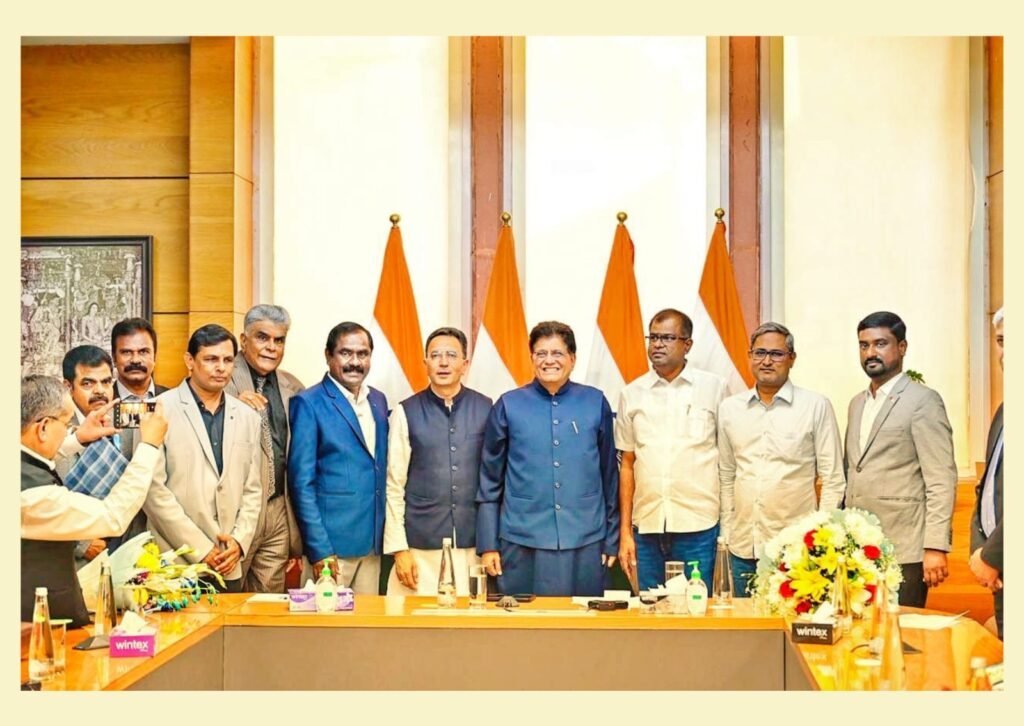


The Apparel Export Promotion Council (AEPC) has welcomed the conclusion of the India–New Zealand Free Trade Agreement, describing it as a significant milestone for India’s export ecosystem, particularly for the labour-intensive textiles and apparel sector.
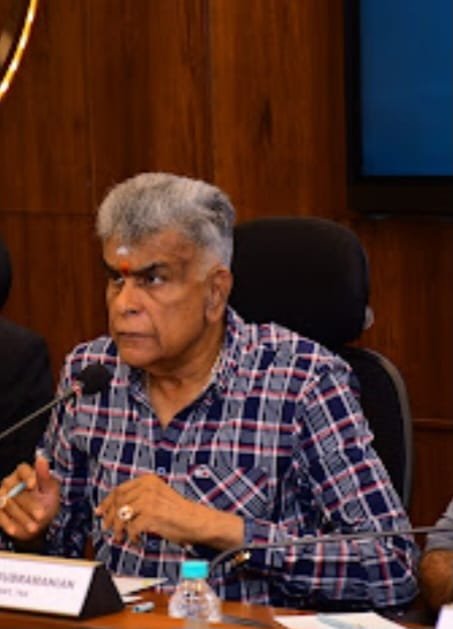
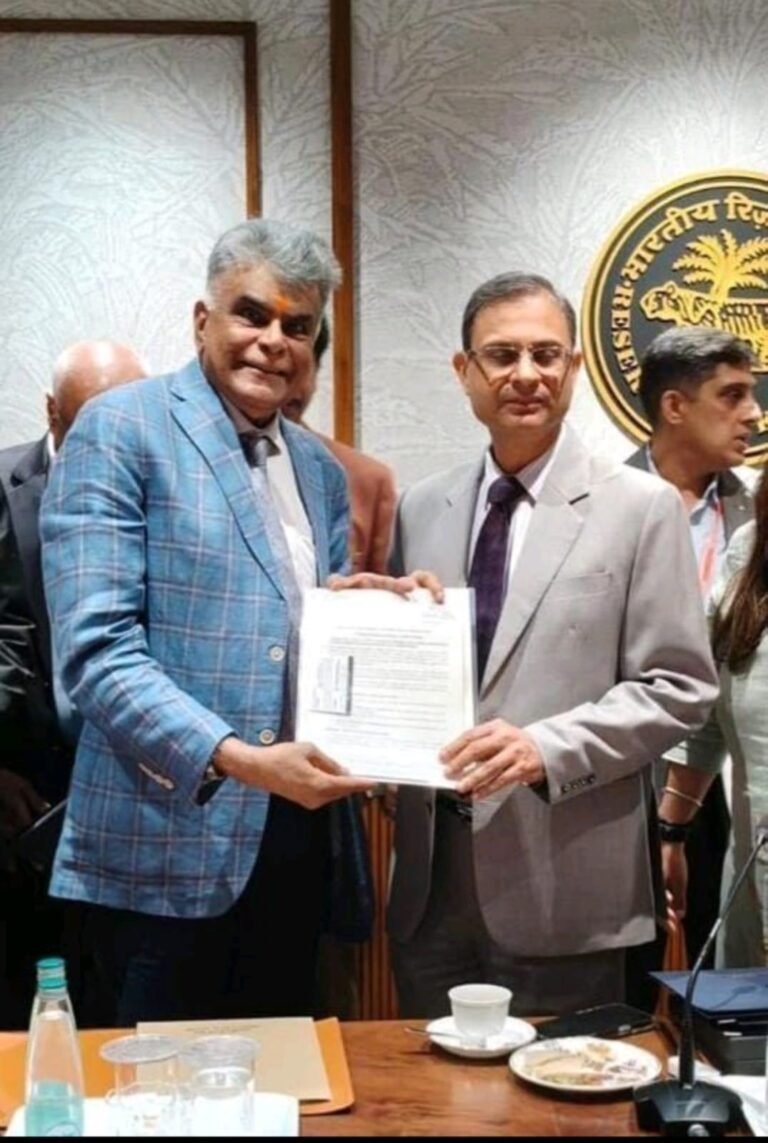
Dr A. Sakthivel, Vice Chairman, AEPC, termed the agreement a timely and strategic move that strengthens India’s global trade presence while opening new growth avenues for apparel exporters. He expressed sincere appreciation to the Hon’ble Prime Minister of India, Shri Narendra Modi, for his vision in expanding India’s trade partnerships, and to the Hon’ble Minister of Commerce and Industry, Shri Piyush Goyal, for his focused and results-driven leadership in agreeing.
Under the newly concluded FTA, Indian exports will receive complete duty-free access to the New Zealand market. For the apparel sector, this marks a significant shift, as textiles and garments that previously attracted tariffs of around 10 per cent will now enter New Zealand at zero duty. This tariff elimination is expected to immediately improve the price competitiveness of Indian products and enhance their attractiveness among New Zealand buyers.
New Zealand’s imports of readymade garments stood at ₹10,394 crore in 2024, with knitted garments alone accounting for ₹5,424 crore. India’s current apparel exports to New Zealand are valued at ₹460 crore, representing a modest 4.40 per cent share of the country’s total RMG imports. Notably, knitted garments account for nearly 52 per cent of India’s apparel exports to this market, underscoring India’s inherent strength in this segment.
With zero-duty access now in place, AEPC sees substantial untapped potential for Indian exporters, particularly in knitted apparel, to significantly expand their market share. The agreement is expected to encourage exporters to deepen engagement with New Zealand buyers, strengthen long-term sourcing relationships, and explore higher-value and design-led product categories.
Dr Sakthivel highlighted that the agreement was concluded within a remarkably short period of nine months following the launch of negotiations in March 2025. He noted that this reflects the Government of India’s strong commitment to export-led growth and its proactive approach to securing meaningful market access for Indian industries.
Beyond apparel, the FTA is expected to benefit other labour-intensive sectors such as textiles, leather and handicrafts, contributing to employment generation and inclusive economic development. For the apparel industry in particular, the agreement offers an opportunity to diversify export destinations and reduce over-dependence on traditional markets.
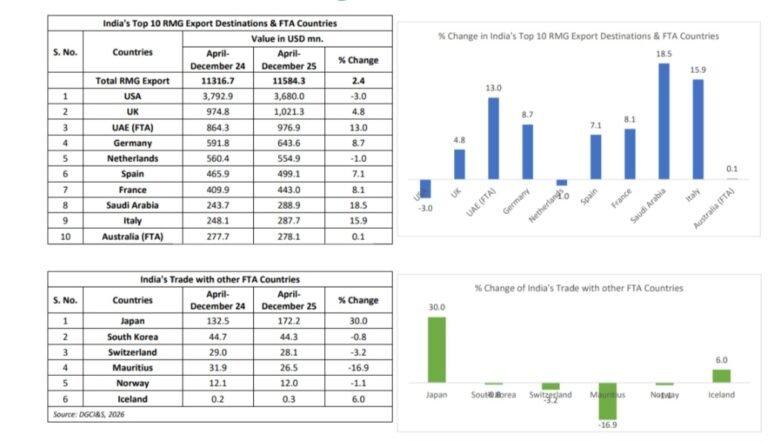
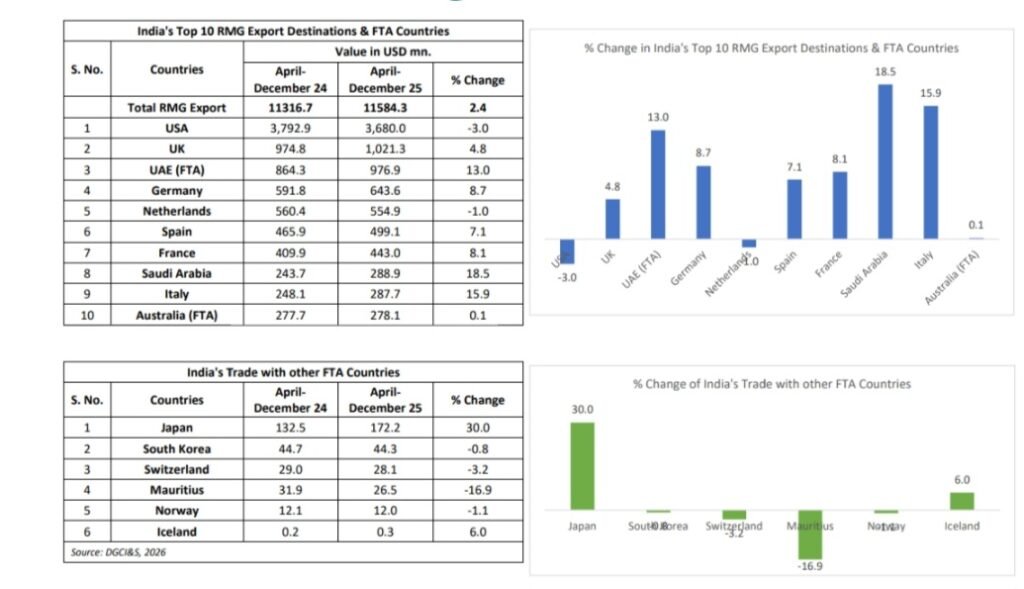
The India–New Zealand FTA is also India’s third major trade agreement concluded this year, following similar pacts with the United Kingdom and Oman. It adds to India’s expanding network of trade agreements with partners such as the UAE, Australia, EFTA countries and Mauritius. Ongoing negotiations with the United States and the European Union are expected to further reinforce India’s export momentum in the coming years.
Concluding his remarks, Dr Sakthivel reiterated AEPC’s confidence that the India–New Zealand FTA will serve as a strong catalyst for apparel export growth. By offering zero-duty access, encouraging market diversification and strengthening India’s image as a reliable global sourcing destination, the agreement is poised to deliver tangible benefits to exporters and the wider textile and apparel value chain.