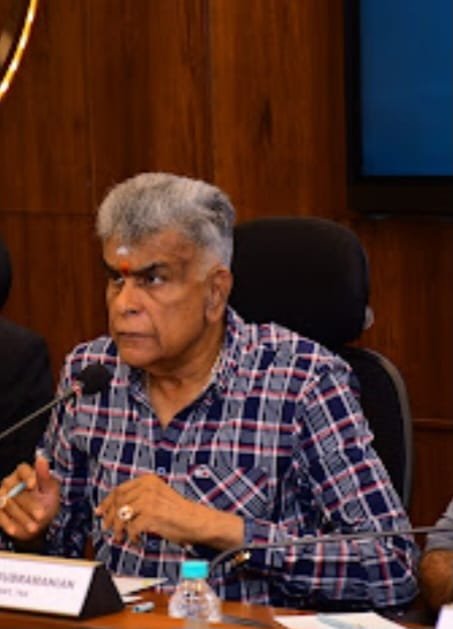

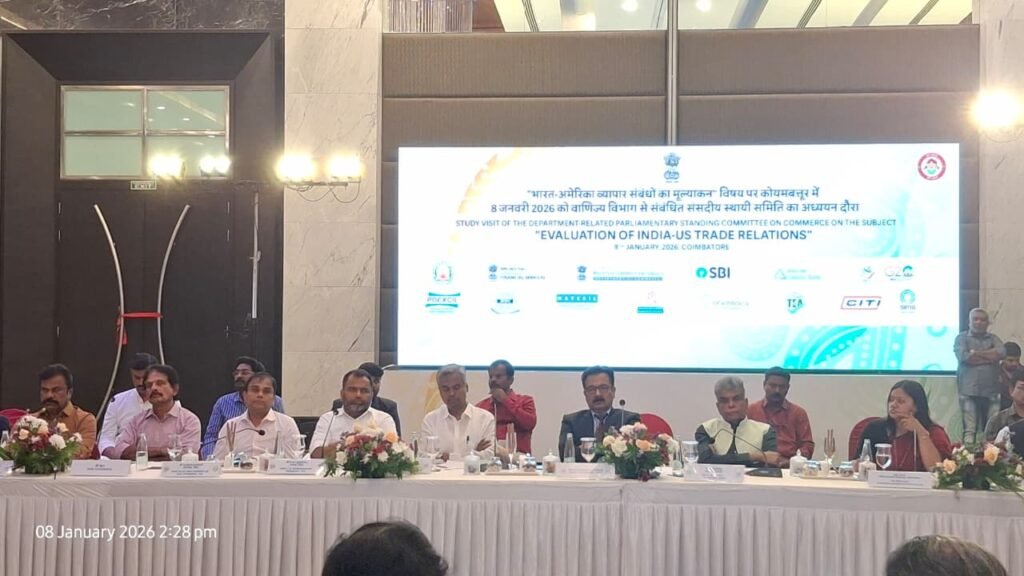
The Department-related Parliamentary Standing Committee on Commerce, under the Chairpersonship of Ms Dola Sen, visited Coimbatore on January 8, 2026, as part of a study visit to evaluate India–US trade relations. The interaction focused specifically on the implications of India–US trade dynamics for the textiles and apparel sector, particularly exports to the United States.
Around 20 Members of Parliament attended the meeting. Representing the Apparel Export Promotion Council (AEPC), the interaction saw participation from the Chairman, Secretary General, Tiruppur-based Executive Committee members, and leading apparel exporters from the region.
During the discussion, AEPC Chairman Dr. A. Sakthivel highlighted the severe challenges currently faced by Indian apparel exporters due to the imposition of higher tariffs by the United States. He explained that the significant tariff differential between India and competing exporting nations has had a damaging impact on apparel exports to the US market.
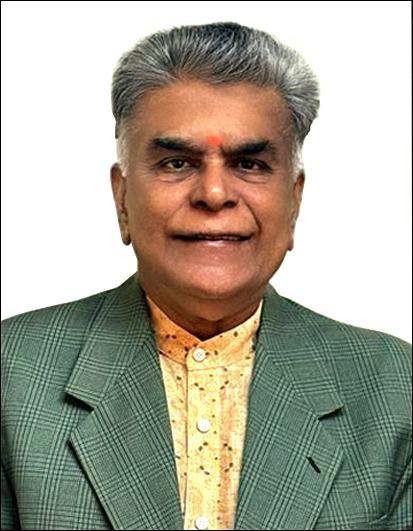
Dr Sakthivel pointed out that nearly 30 per cent of India’s total ready-made garment exports, valued at approximately USD 16 to 17 billion, are destined for the United States. While the industry initially managed to absorb the first tranche of a 25 per cent tariff, the additional 25 per cent penal tariff imposed on 27 August 2025 has sharply affected export competitiveness.
He noted that in order to preserve long-standing buyer relationships and retain orders, Indian exporters are being forced to offer deep price discounts, often at the cost of operating losses. Dr Sakthivel cautioned that if the prevailing tariff structure continues and no relief measures are introduced, the situation could lead to widespread job losses and make it increasingly difficult for exporters to sustain operations.
To address the crisis, Dr Sakthivel urged the Government to remove the existing upper cap of ₹50 lakh under the Interest Subvention Scheme to ease liquidity pressures on exporters. He also requested urgent interim relief through the grant of Duty Credit Scrips under the Focus Market Scheme to the extent of 20 per cent of the FOB value of exports to the United States, until the tariff issue with the US is resolved.
The interaction provided an important platform for exporters to convey ground-level realities to policymakers and reinforced the need for timely government intervention to safeguard India’s apparel export sector and employment base.