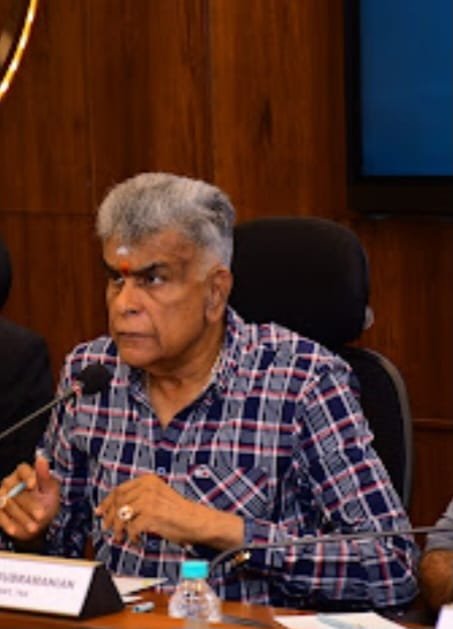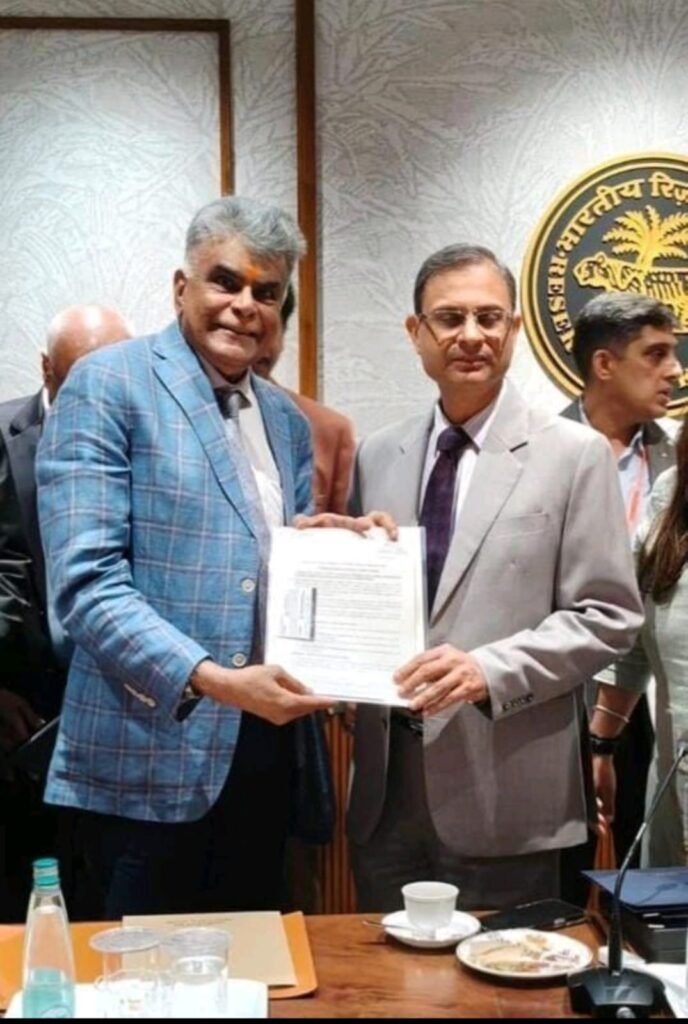


K.M. Subramanaian, President of the Tiruppur Exporters Association (TEA), welcomed the Union Budget 2026–27, describing it as a comprehensive and forward-looking package for India’s textile and apparel value chain.
The measures outlined by the Hon’ble Finance Minister signal a clear, outcomes-oriented intent to modernise the sector, strengthen livelihoods, and enhance India’s competitiveness in both domestic and global markets.
At the core of the Budget is a renewed focus on securing India’s raw material base. The proposed National Fibre Mission, aimed at building self-reliance in natural fibres alongside man-made and special-use fibres, is a significant step toward reducing import dependency and ensuring stable input supplies for the industry. Complementing this initiative, the Mission for Cotton Productivity aims to enhance yields, promote extra-long staple cotton varieties, and provide science- and technology-driven support to farmers. These measures are expected to improve farm incomes while ensuring consistent availability of higher-quality cotton for downstream manufacturing.
The Budget also takes a positive and inclusive approach toward traditional textile segments. Initiatives such as the Mahatma Gandhi Gram Swaraj Initiative are set to promote khadi, handloom, and handicrafts at scale, while the proposed National Handloom and Handicrafts Programme aims to integrate and strengthen existing schemes. By improving market access, value addition, and cluster-level support, these measures are expected to benefit artisans and small producers while sustaining millions of livelihoods across rural and semi-urban India.
A strong emphasis has been placed on skilling and modernisation. The expansion of Samarth 2.0, along with broader commitments to skill development, will equip the workforce with contemporary manufacturing, design, and digital capabilities. These efforts will support productivity improvements and facilitate faster adoption of Industry 4.0 technologies. In parallel, the proposed National Centres of Excellence and other skilling initiatives outlined in the Budget are expected to bridge skill gaps and enable the sector’s transition toward higher-value-added production.
Sustainability and alignment with global standards have also received due attention. The Textile Eco Initiative aims to promote environmentally sustainable textiles and garments, positioning India as a responsible sourcing destination. Alongside this, the proposed establishment of new Mega Textile Parks in mission mode is expected to attract fresh investments, improve compliance and traceability, and create integrated hubs that support scale, quality control, and export growth.
From a trade and customs perspective, the measures announced are both practical and targeted. The exemption of specified shuttle-less looms and other textile machinery from basic customs duty is expected to lower capital expenditure barriers and encourage technology upgradation. Rationalisation of tariff lines for knitted fabrics and duty concessions on key inputs used by exporters will further support value addition and enhance export competitiveness.
Beyond sector-specific announcements, several cross-cutting reforms in the Budget are expected to benefit the textile industry. These include enhanced credit availability and guarantee coverage for MSMEs, customised credit cards and support for first-time entrepreneurs the proposed Export Promotion Mission and Bharat TradeNet to streamline trade documentation and finance, and the National Manufacturing Mission to further strengthen Make in India objectives.
Overall, the Union Budget 2026–27 presents a constructive and balanced roadmap for the textile ecosystem. By addressing farm-to-factory linkages, skills, sustainability, modernisation, and exports in an integrated manner, the package lays the foundation for long-term growth. The Tiruppur Exporters Association has expressed its readiness to work closely with the Government to support swift and transparent implementation, ensuring that the benefits reach farmers, artisans, workers, and textile enterprises across the country.