
In a bid to give India’s garment exporters a sharper competitive edge on the global stage, the Apparel Export Promotion Council (AEPC) is pressing the Indian government for an swift overhaul of fabric import regulations.
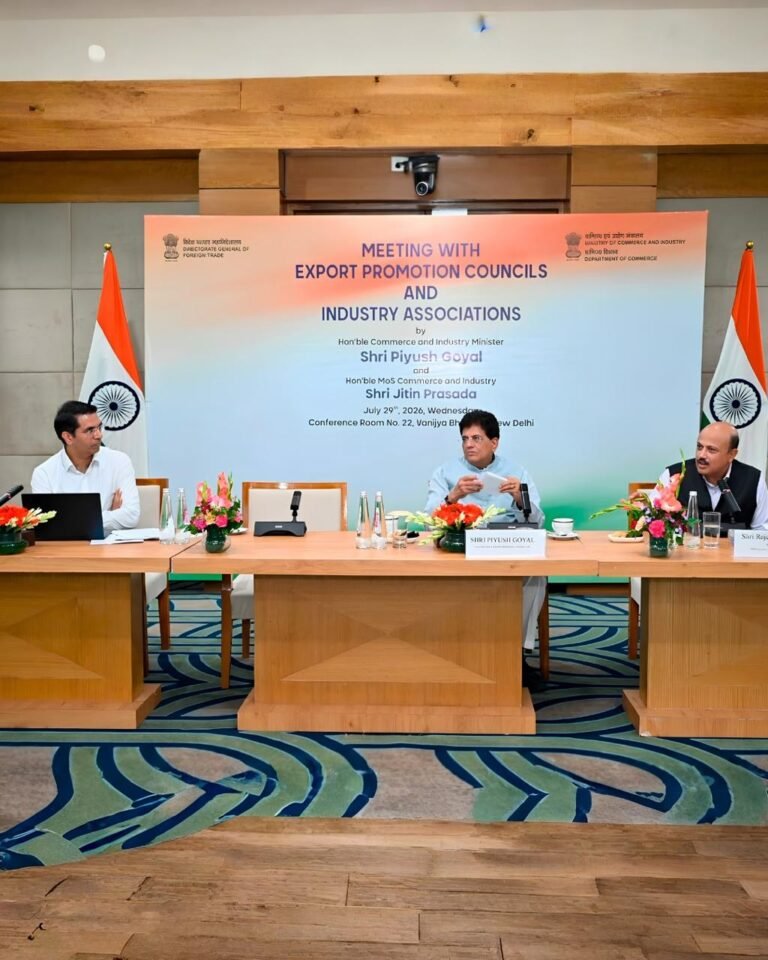
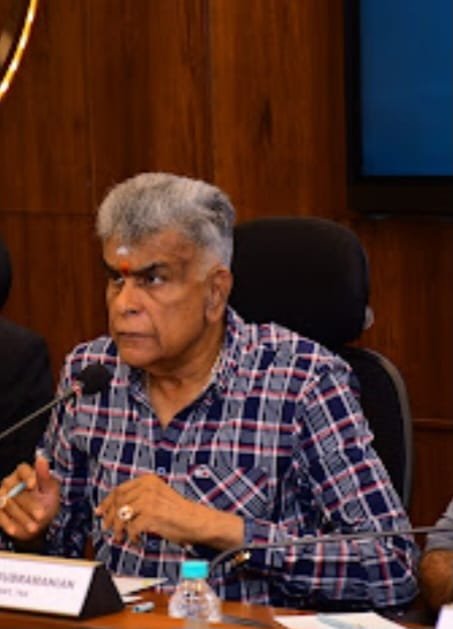
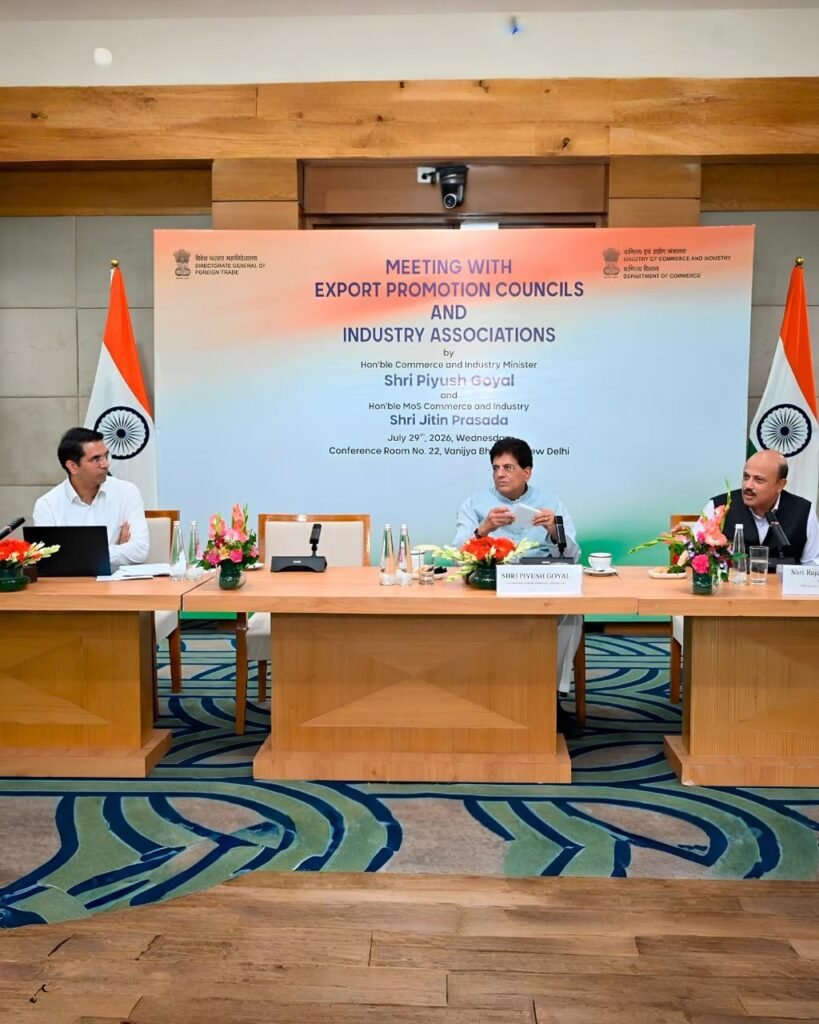
At a high-level review meeting chaired by Union Minister of Commerce & Industry Piyush Goyal, AEPC Chairman Dr. A. Sakthivel urged officials to fast-track a proposed special scheme designed to make importing high-quality textiles faster, easier, and more flexible for domestic manufacturers.
For an industry constantly chasing fast-moving fashion cycles, speed to market is everything. Current regulatory hurdles often slow down the sourcing of specialized, high-end, or innovative textiles from abroad—limiting the ability of Indian brands and manufacturers to quickly adapt to shifting global trends and international buyer demands.
”The proposed Special Scheme will provide Indian garment exporters with easier and more flexible access to a wider range of quality fabrics, enabling them to respond swiftly to global buyer requirements and fashion trends,” Dr. Sakthivel noted during the session. He emphasized that lowering these import barriers is critical if India wants to capture a larger market share in international retail and climb the fashion value chain.
The meeting also featured a roadmap presentation by AEPC Secretary General Mithileshwar Thakur, outlining strategic targets for the country’s apparel sector. Key points on the council’s wish list include:
- Policy Stability: Long-term predictability in export schemes to encourage serious investment.
- Tech & Innovation: Capital subsidies aimed at helping factories adopt Industry 4.0 automation and modernized machinery.
- Sustained Tax Relief: Continued backing under export rebate programs like the RoSCTL to offset domestic tax burdens.
As international fashion houses look to diversify their supply chains, India has a unique window to position itself not just as a high-volume manufacturing hub, but as an agile, tech-forward sourcing destination. Whether domestic manufacturers get the flexible import framework they need now rests in the hands of the Commerce Ministry.